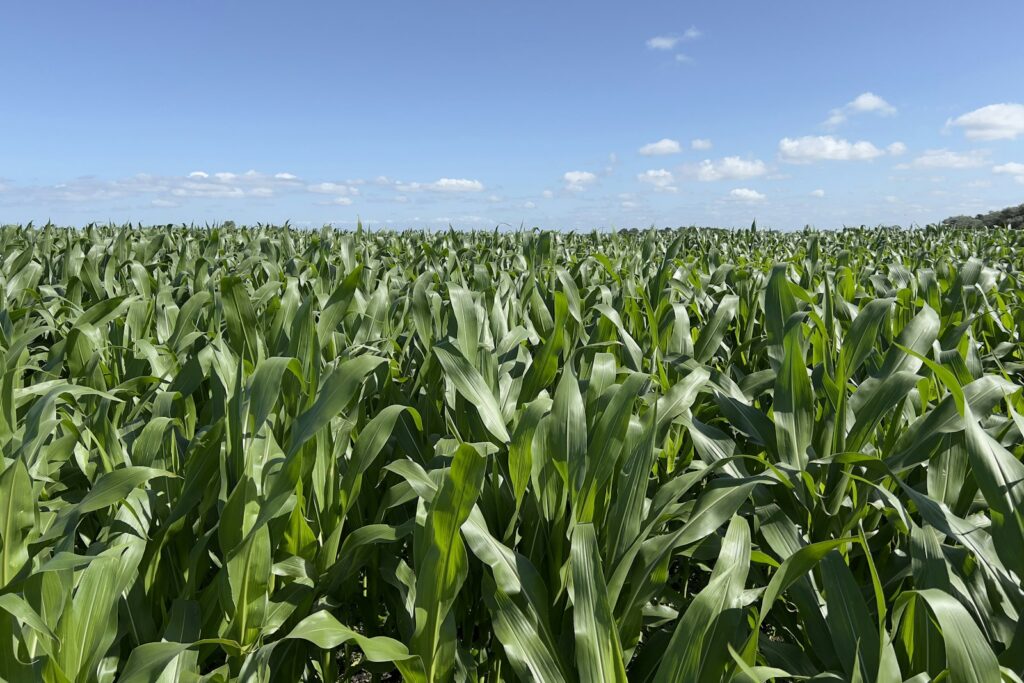
If you’re growing fodder maize this Kharif season, August 15 is the date to plan around. Sow later than that and you’re not just risking a shorter crop — you’re walking straight into peak fall armyworm pressure. Here’s what the timing actually means and which variety fits your purpose.
Why August 15 Is the Real Deadline
Agronomy research across Punjab is consistent on this point: fodder maize sown after mid-August struggles to put on proper biomass before cooler weather sets in, and late-sown crop consistently shows higher pest incidence than crop sown on time. If you’re growing for green fodder or silage, getting seed in the ground in the next two weeks protects both yield and crop health.
If you’re past that window, it’s not a lost cause — but shift your expectations toward a shorter-duration fodder cut rather than a full grain crop, and be extra vigilant on pest scouting from day one.
Choosing the Right Maize for Your Purpose
Lashkar Seeds supplies three maize products, each suited to a different end use:
- Fodder Corn — bred specifically for green fodder yield and palatability, the straightforward choice if livestock feed is the goal.
- Hybrid Corn Silage Special — developed for silage production, with the plant structure and biomass profile that makes for better-quality silage after fermentation.
- Double Cross Hybrid Corn — a dual-cross hybrid offering strong vigour and yield potential for growers wanting flexibility between grain and fodder use.
For a fuller breakdown of which of the three fits your specific goal — grain, silage or green fodder — see our corn variety selection guide.
Sowing Basics Worth Getting Right
- Seed rate: roughly 20 kg/acre for a dedicated fodder crop, sown at closer spacing than grain maize to maximise green biomass per acre.
- Sowing depth: 3–4 cm, using a tractor-drawn seed drill or ridger for even establishment.
- Seed treatment: treating seed against soil-borne disease and early insect pressure before sowing pays off, especially on a late-window crop where the plant has less time to recover from a rough start.
Watch for Fall Armyworm From Day One
Fall armyworm is now an established threat to maize across Pakistan and the wider region, attacking plants from the 10–40 day stage onward. Late-sown, August-window crop is exactly the profile that sees the highest incidence. We cover identification and control in detail in our fall armyworm identification & control guide — worth reading before your crop reaches the whorl stage.
Get Current Availability & Pricing
Maize seed pricing shifts with the season, so we don’t publish a fixed number here. Message us on WhatsApp for today’s rate on Fodder Corn, Hybrid Corn Silage Special or Double Cross Hybrid Corn — we typically reply within the hour with current and bulk/dealer pricing.
Buy Certified Maize Seed From Faisalabad
Lashkar Seeds has supplied certified seed across Punjab and Sindh for over 20 years. For current maize variety availability and pricing, message our team on WhatsApp — we’ll get you today’s numbers directly, no guesswork.
اگست میں چارہ مکئی کی بوائی — صحیح وقت کیوں ضروری ہے؟
چارہ مکئی کی اگست میں کاشت کرتے وقت باقی ماندہ گرم موسم، فصل کی بڑھوتری اور فال آرمی ورم کے دباؤ کو مدِنظر رکھنا ضروری ہے۔ دیر سے بوائی فصل کا دورانیہ اور سبز چارے کی مقدار متاثر کر سکتی ہے، اس لیے مقامی موسم اور علاقے کی سفارش کے مطابق فیصلہ کریں۔
اچھی زمین کی تیاری، معیاری بیج، مناسب نمی اور ابتدائی ہفتوں میں کیڑوں کی نگرانی بہتر فصل کی بنیاد ہیں۔ اناج، سائیلج اور فوری سبز چارے کے لیے بیج کا انتخاب مقصد کے مطابق کریں۔